Nature is our teacher
Observe nature.
Comprehend nature.
Copy nature.
Nature has been solving problems for billions of years. Maybe we should start paying attention.
Start observingNature is our teacher
What if the solution already exists?
Before humans built factories, transportation networks, farms, cities, computers or power grids, nature had already developed extraordinarily efficient systems for moving resources, storing energy, building structures, communicating information and adapting to change.
Observations.io exists to document those systems — and understand what they can teach us.

The process
Look closer.
Observe
See something interesting in nature? Photograph it, record it and describe what happened.
Comprehend
Ask why. What is happening? How does it work? What problem is nature solving?
Copy
Extract the underlying principle. How could humans reproduce the strategy rather than simply imitate its appearance?
Apply
Turn the principle into an experiment, product, process or better way of doing something.
Observe→Comprehend→Copy→Apply
Observation № 0001
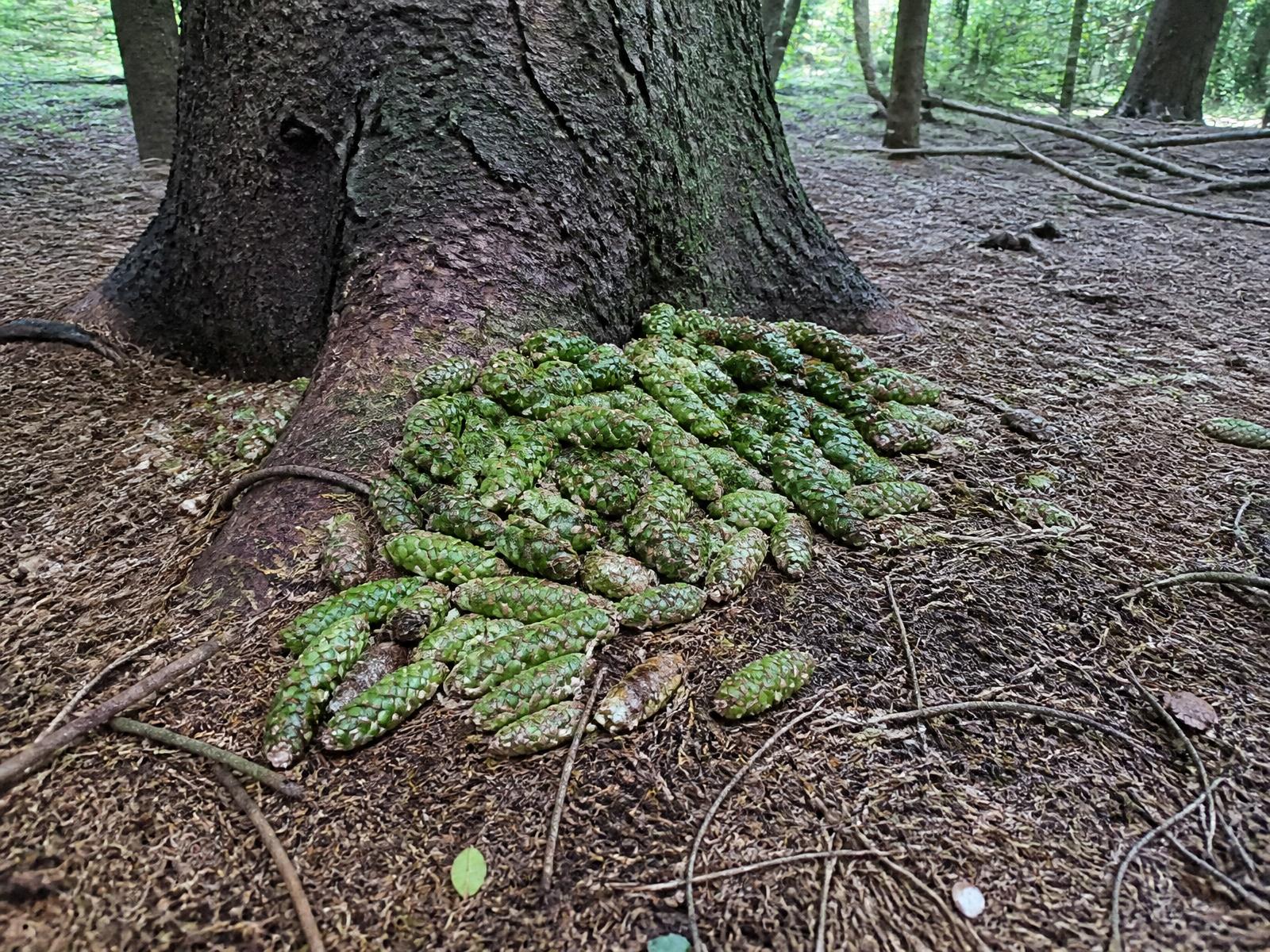
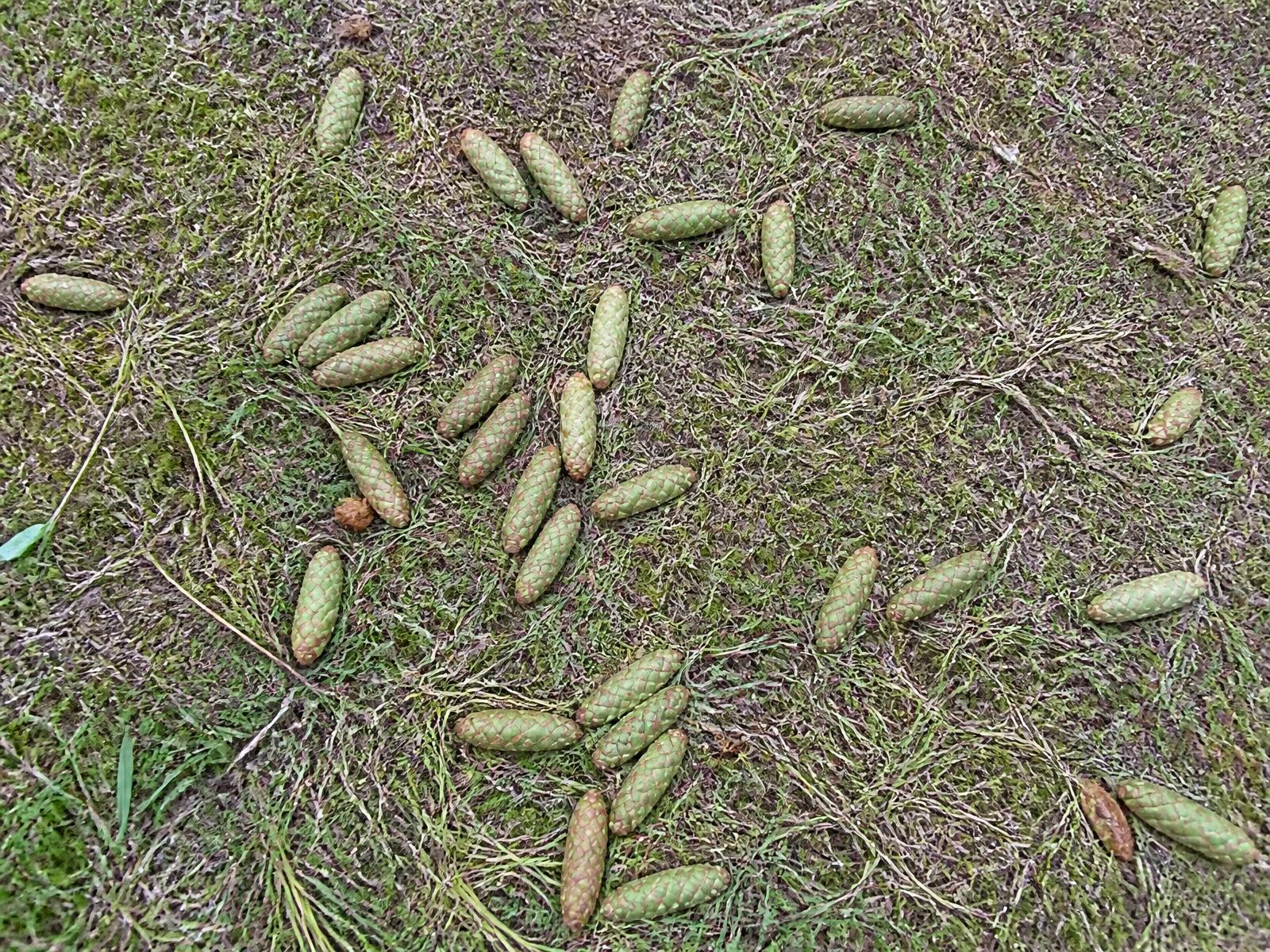
ObservedThe Squirrel's Supply Chain
What can a squirrel dropping pine cones teach us about transportation, storage and energy?
- Observed
- Evergreen woodland
- Subject
- Squirrel / Evergreen tree
- Themes
- Gravity · Transportation · Storage · Resource management
Field note
"I was in the barn chatting with a few friends looking at the big evergreens and we heard the cones falling to the ground. A squirrel was dropping them and piling them up."
The question
Why carry material down a tree when gravity can move it for you?
What might nature be teaching us?
Hypothesis- Use free energy when it is available.
- Move resources efficiently.
- Stage resources close to where they will be used.
- Work with environmental forces rather than against them.
- One organism's leftover material can become part of another system.
These are potential interpretations, not established scientific conclusions. Every claim on Observations.io is labelled: observed, researched, hypothesis, potential application, tested or applied.
Explore observation № 0001 →The library
Discover what nature knows.
№ 0001The Squirrel's Supply Chain
A squirrel removed cones from a large evergreen and dropped them, letting gravity carry the harvest to concentrated piles on the forest floor.
 № 0002
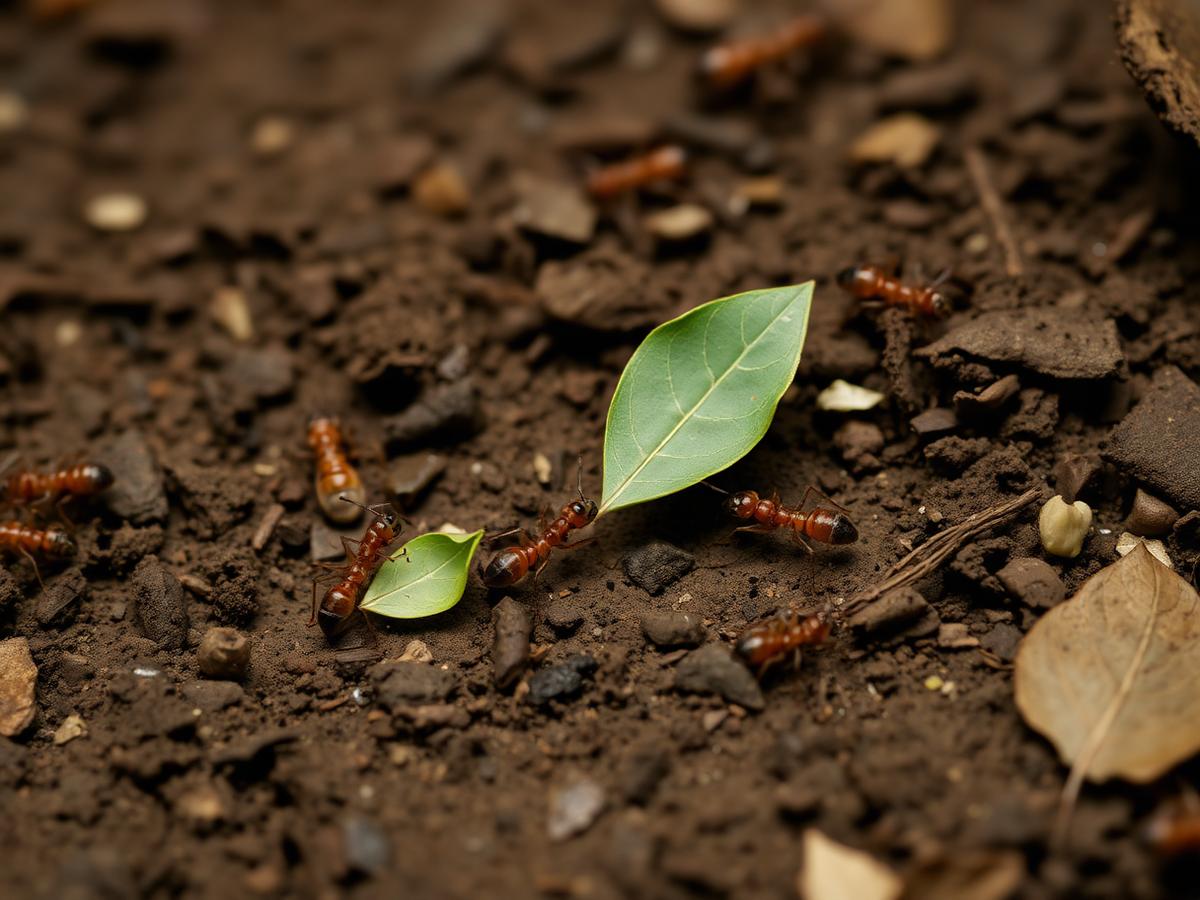
How Ants Organize Work
Hundreds of individuals move material along a shared route with no central instruction, adjusting the path as conditions change.
 № 0003
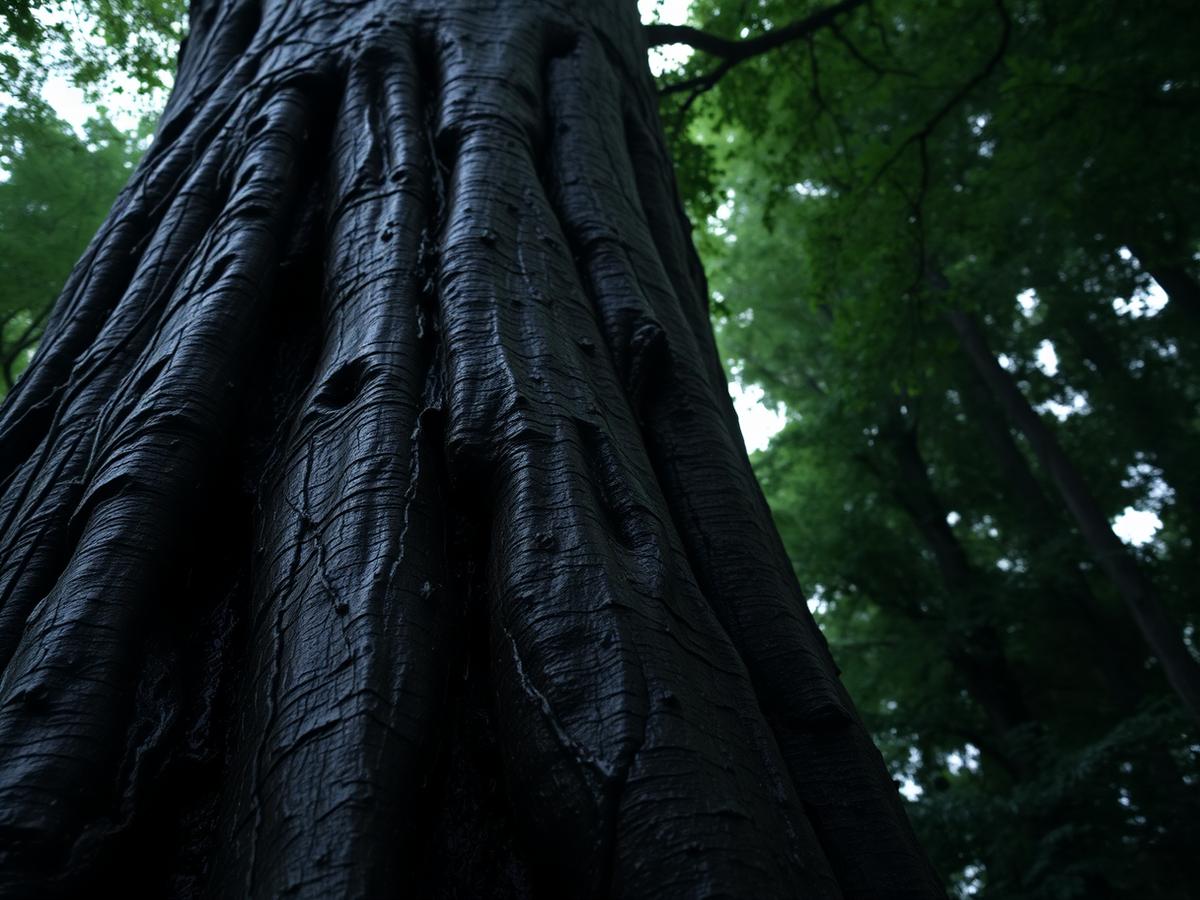
How Trees Move Water
Water travels tens of metres upward through a trunk without a pump, powered by evaporation at the leaves.
 № 0004
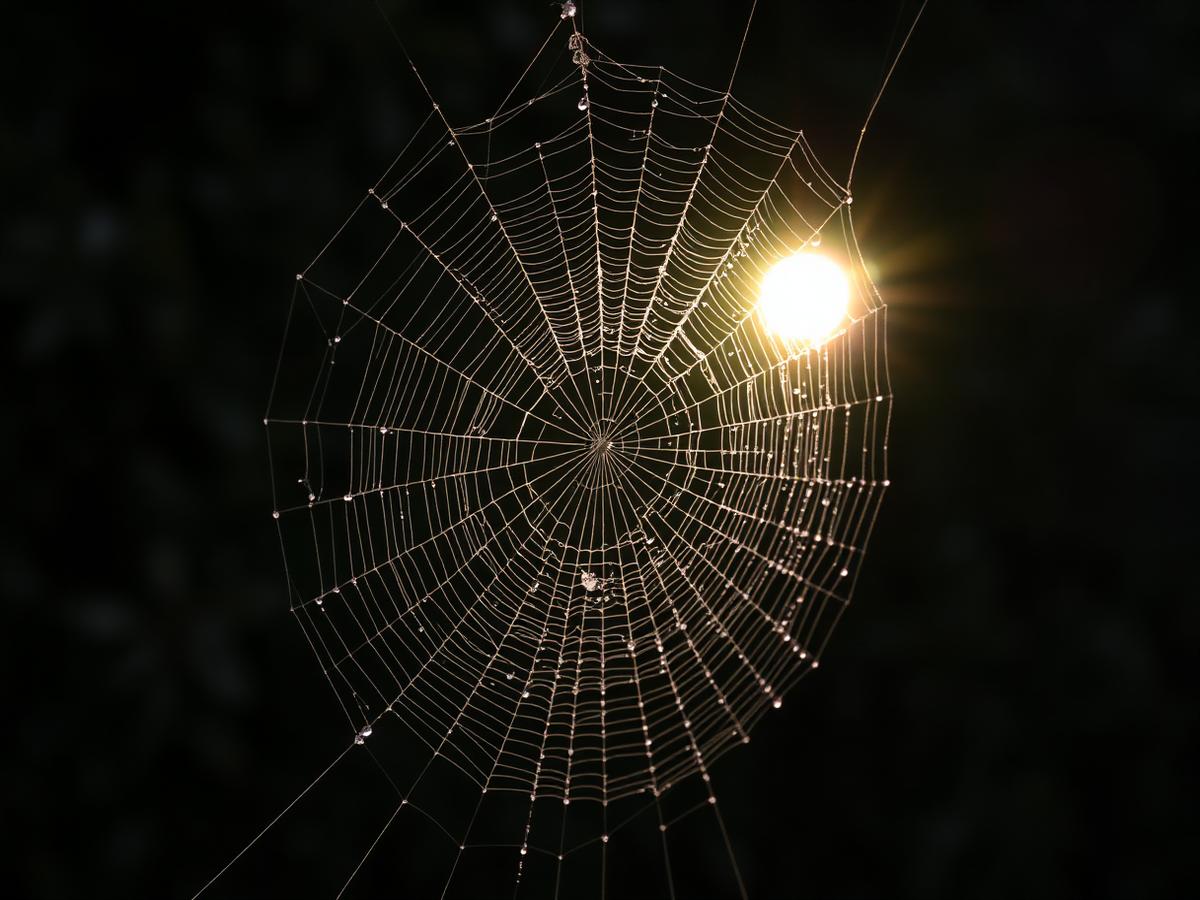
The Strength of a Spider Web
A structure spun in minutes from very little material holds loads far beyond its own weight, and fails gracefully when it does fail.
 № 0005
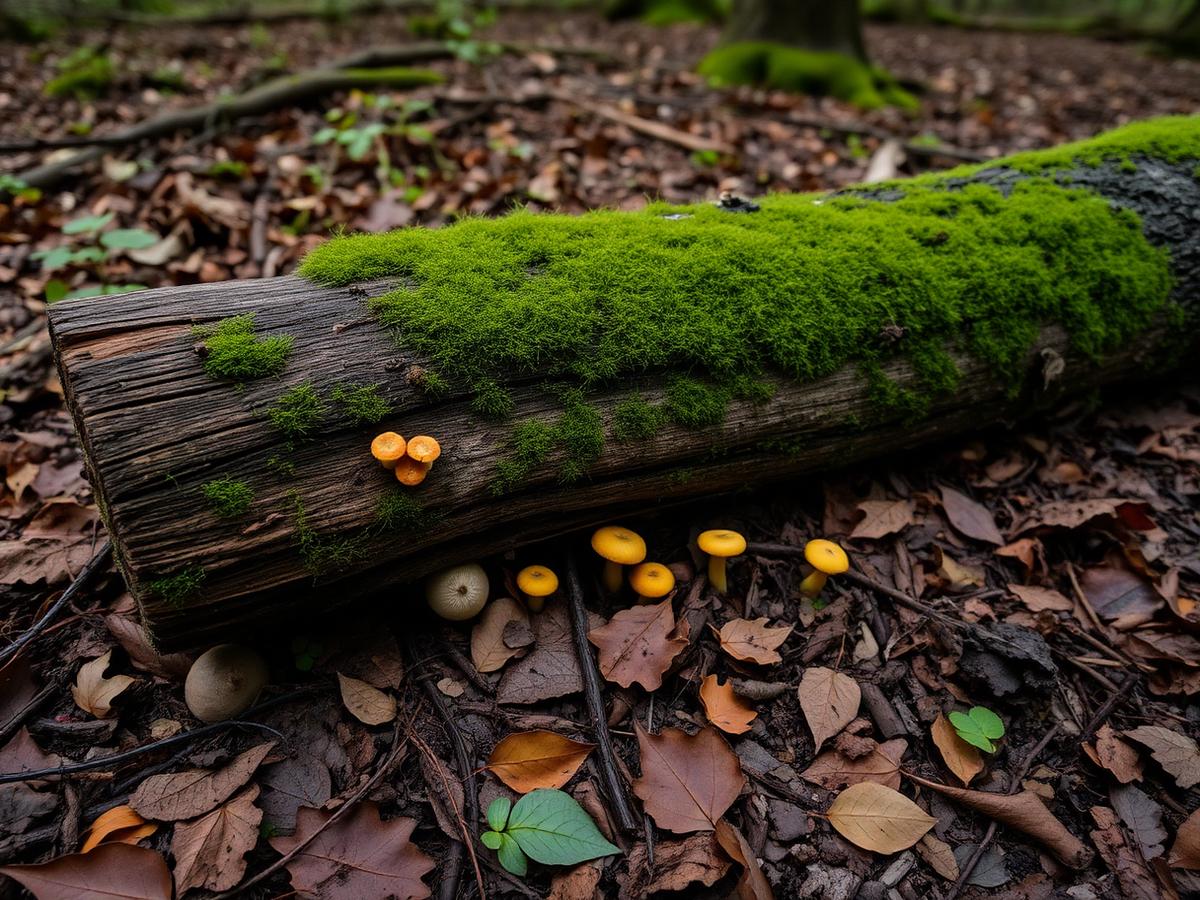
How Forests Handle Waste
A fallen trunk is not removed. It is disassembled in place and becomes the growing surface for the next generation.
 № 0006
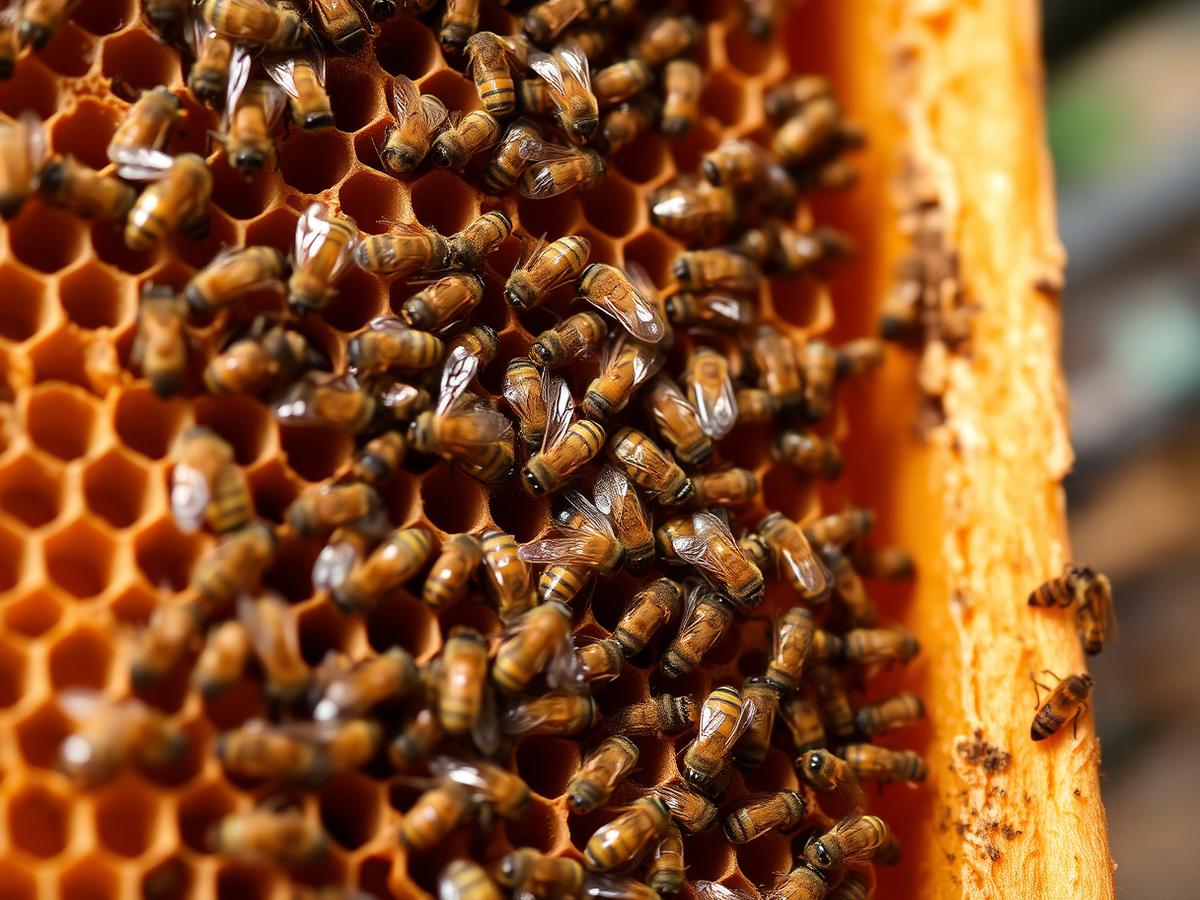
How Bees Regulate Temperature
A colony holds its brood nest within a narrow temperature band through the whole season using movement, water and airflow.
 № 0007
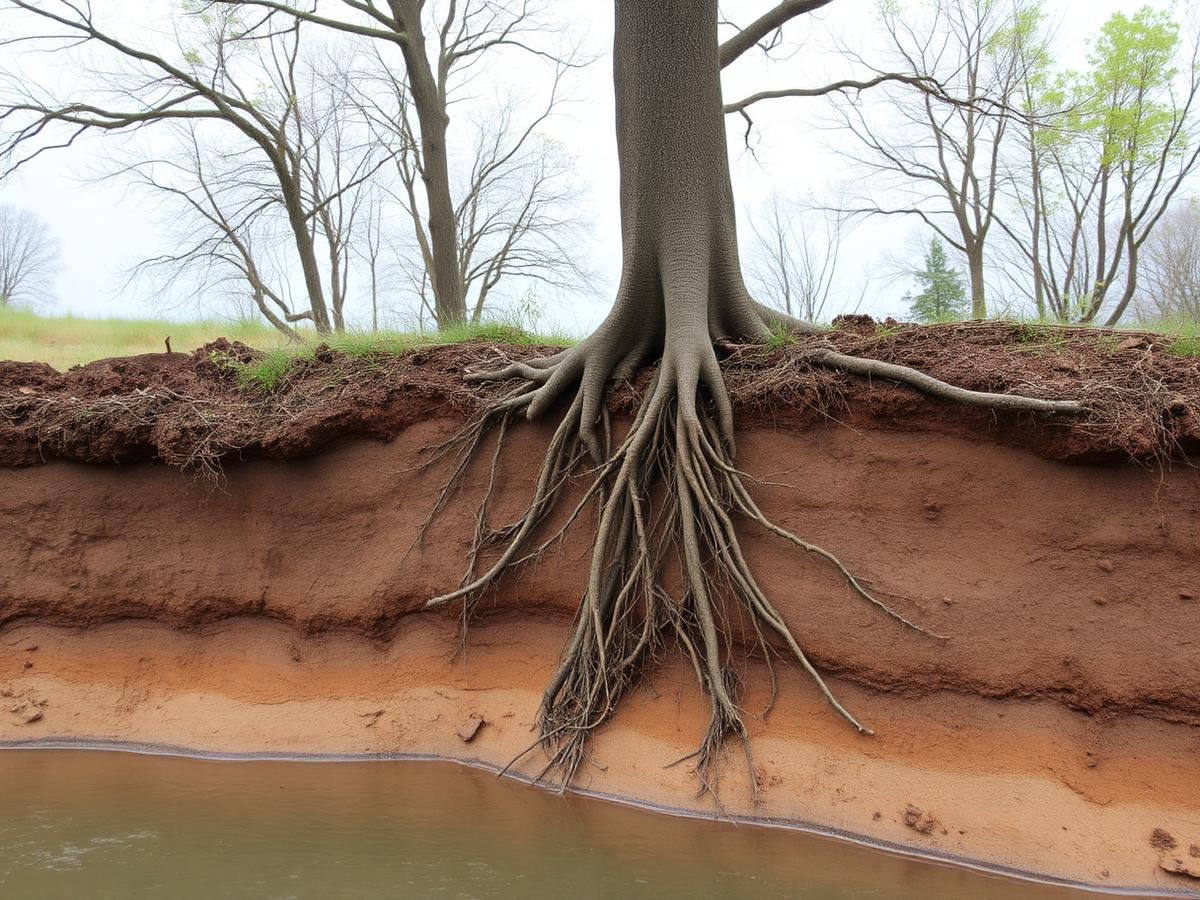
How Roots Stabilize Soil
An eroding bank held where roots ran through it, and gave way where they did not. The reinforcement was living, not added.
 № 0008
How Leaves Capture Sunlight
Leaves are arranged so that very few of them sit in each other's shadow, filling the available light with almost no overlap.
You don't need to be an expert to notice something.
Scientific discovery begins with observation.
You might notice something in your backyard, on a farm, during a hike, beside a river or while sitting under a tree.
Take a photo. Ask a question. Share what you saw.
Someone else may understand why it matters.

What did you notice today?
The next important idea might begin with something everyone else walked past.